

CITY RUSHING SHELTERS INTO NEIGHBORHOODS - TCFC EMAIL CALL TO ACTION - PLEASE SEND TODAY!


EMAIL CALL TO ACTION
TUCSON RESIDENTS AND BUSINESSES
SUBMIT YOUR PUBLIC COMMENT TODAY
The City of Tucson is considering significant changes to its zoning rules for homeless shelters and outdoor sleeping areas.
If you share our concerns about these proposed changes, please take a few minutes today to send the letter below to the Mayor, City Council, City Manager, and Planning & Development Services.
The City is gathering public feedback right now, and that feedback will be used in developing the proposed zoning amendment before it moves forward in the approval process. Tucson.gov
READ THE DETAILS
Read the latest Tucson Crime Free Coalition newsletter:
STEP 1: COPY THESE EMAIL ADDRESSES
Copy and paste the following into the “To” field of your email:
Mayor.Romero@tucsonaz.gov, cit
STEP 2: COPY AND PASTE THIS LETTER
Subject: Opposition to Proposed Shelter Care Zoning Changes
Mayor and Council,
I am writing to oppose the proposed changes to Tucson's zoning rules for homeless shelters and outdoor sleeping areas.
Homelessness is a serious problem, and people need help. But Tucson has struggled with homelessness for years. This problem did not suddenly begin when the City declared a Housing and Homelessness Emergency in February 2026. The City confirms that the emergency declaration occurred on February 3, 2026. Tucson.gov
I do not believe an emergency declaration should be used to rush permanent changes to our zoning laws or avoid the normal public process. Emergency powers should not become a shortcut around good government.
The City is considering changes to where shelter care facilities can operate and to the zoning requirements that apply to them. These are significant decisions that could affect neighborhoods and businesses throughout Tucson. Tucson.gov
Permanent zoning decisions deserve careful review, public notice, and meaningful input from the people who live and work nearby. An emergency declaration should not be grounds for making haphazard permanent changes to rules that may be difficult to reverse later.
I am asking the City to slow this process down, follow the normal public-review process, and require appropriate safeguards before making permanent changes to Tucson's zoning code.
I oppose:
- Expanding shelters and outdoor sleeping areas without adequate safeguards.
- Reducing parking and other requirements without showing why those changes are necessary.
- Streamlining approvals in ways that reduce neighborhood involvement.
- Using an emergency declaration to justify permanent zoning changes without the normal level of public review.
Please include my comments in the official public record regarding the Shelter Care Zoning Code Amendment.
Sincerely,
[YOUR NAME]
PLEASE SEND YOUR EMAIL TODAY
It takes only a few minutes. Add your name, hit send, and make sure your voice is part of the public record.
Tucson Crime Free Coalition

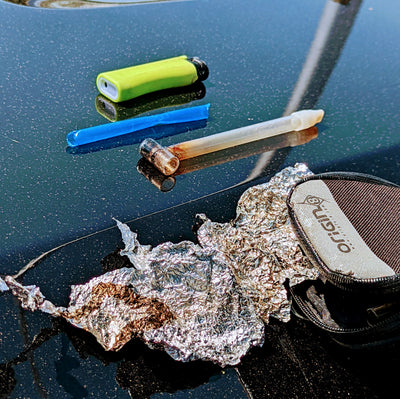



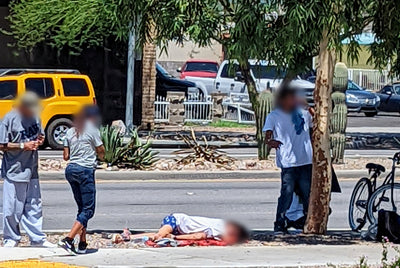
Thank you for urging action on this issue. The Tucson Daily Star has reported COT plans to quadruple the homeless population in Tucson by 2030. If you think the homeless problem is bad in Tucson now, think about having 4x as many drugged out vagrants on out streets. My letter opposing the Code Amemndment is below. Any TCFC member is free to use any or all of it in their own letter(s).
Mayor and Council,
I am writing to formally voice my strong opposition to the proposed Housing & Homelessness Emergency and Shelter Care Code Amendment. I live in Hedrick Acres, home to at least three shelters (The Haven, for substance-abusing mothers; Hedrick House, for men trying to sober up; and Ampare de los Angeles, for runaway teens) and we have had little trouble from them. But the homeless in Navajo Wash and Eucalyptus Apartments have created huge problems in the neighborhood, from increased property crime and open-air drug use to prostitution and aggravated assault. I do not wish these problems on any neighborhood, nor do I want to see them in ours again. For this reason, I am opposed to weakening the few existing protections residents have against a difficult and uncivil population.
Easing restrictions on where homeless shelters can be located is one of the main talking points to consider. Some organizations would like to offer homeless services in churches, vacant schools, or offices located in residential neighborhoods. I believe shelter care facilities and structured outdoor sites must not be placed in or adjacent to residential or business zones, nor should buffers and setback requirements from these areas be reduced. Homes, schools, family- and business-oriented neighborhoods are inappropriate places for the open drug activity, police calls, and public health concerns associated with homeless shelters.
• High Rates of Substance Abuse and Mental Illness: Studies show that 78% of unsheltered individuals report severe mental health conditions and 75% suffer from substance abuse. Introducing facilities serving this population directly into residential neighborhoods introduces significant safety risks to local families and property owners. While the proposed amendment requires shelters to carry Sexual Abuse and Molestation Insurance, neighboring residents and businesses will be left to fend for themselves.
• The HOA Exclusion Burden: The proposed zoning amendments do not apply to HOAs; newer master-planned communities are effectively shielded from these changes. As a result, the regulatory burden of absorbing both temporary and permanent shelter placements falls entirely on older, unprotected, and often lower-income neighborhoods.
• Existing Capacity and Underutilization: According to Pima County’s shelter bed availability database, about 10% of shelter beds are unoccupied on average in 2026. Point-in-time-counts from 2024 and 2025 show much higher vacancy rates. Broadening zoning paths in residential areas does not resolve the underlying issue that many homeless are service resistant and do not want to be in shelters, nor does it address the persistent non-enforcement of existing laws to curtail criminal activity among the homeless.
Another point that remains undecided is how many neighboring residents and neighborhood associations should be notified about a proposed shelter. Currently, the Unified Development Code (UDC) requires a 400-foot mail notification radius sent to all property owners and residents surrounding the site and one-mile radius for registered Neighborhood Associations. But the Sugar Hill Neighborhood Association wasn’t notified in advance of the Star Village plans, and Hedrick Acres NA certainly wasn’t informed of plans to open Navajo Wash or the Eucalyptus Apartments in our neighborhood to unsheltered persons. If the City respects community input as much as it claims, why is it seeking to reduce the number of people notified about a proposed shelter?
Please include my comments in the official public record regarding the Shelter Care Zoning Code Amendment.
Sincerely,
Adrian Wurr
Co-Chair, Hedrick Acres Neighborhood Association
Sending them an email of opposition has always been a waste of time. One can likely conclude that homeless shelters and outdoor sleeping areas have provided wonderful kickbacks.
Leave a comment